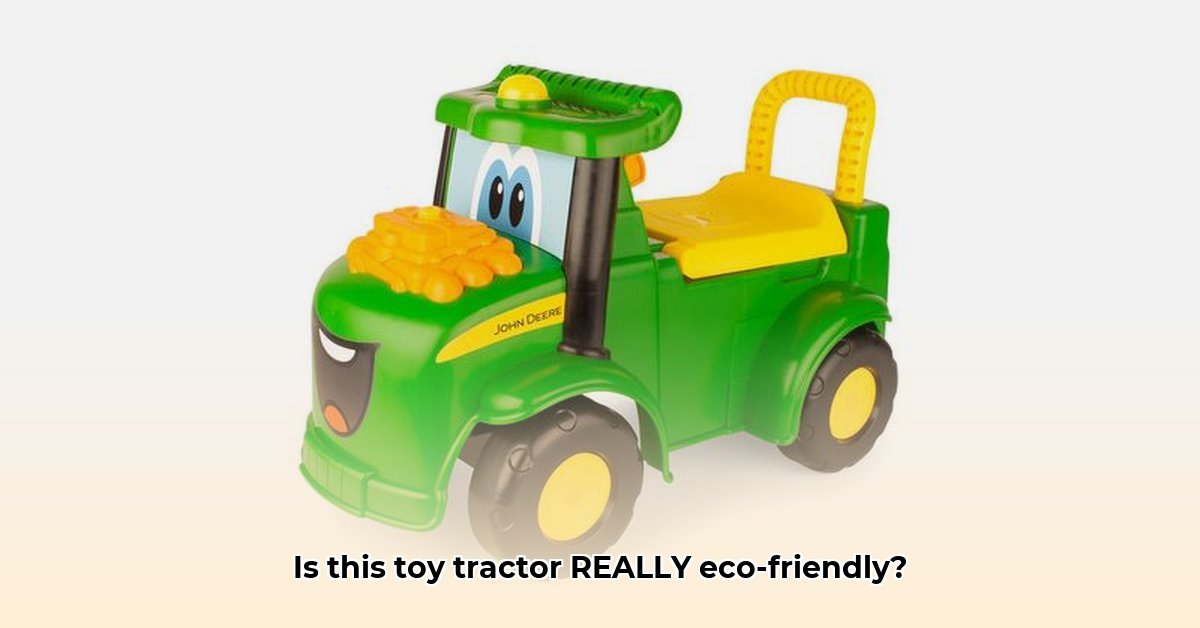
John Deere Children's Ride-On Tractor: A Sustainability Deep Dive
The John Deere brand holds a powerful appeal, especially for children dreaming of a life on the farm. Their miniature ride-on tractors perfectly capture this charm, offering hours of imaginative play. But beyond the captivating design and iconic branding, a critical question arises: how environmentally sound is this popular toy? This review delves into the sustainability aspects of John Deere's children's ride-on tractors, examining their lifecycle impact and offering actionable recommendations for consumers and manufacturers alike. For more details on similar electric tractors, check out this helpful resource.
The Allure and the Environmental Question
John Deere's kid-sized tractors are undeniably popular, sparking children's imagination with their realistic designs. However, the environmental consequences of this playful fun cannot be overlooked. This review considers the entire product lifecycle – from sourcing materials and manufacturing to disposal – to provide a comprehensive sustainability assessment. Is the appeal of this toy worth its environmental cost?
Weighing the Environmental Pros and Cons
The environmental impact of a John Deere children's ride-on tractor is multifaceted. A balanced assessment requires weighing both potential benefits and significant drawbacks.
| Environmental Advantages | Environmental Disadvantages |
|---|---|
| Rechargeable battery, potentially reducing reliance on single-use batteries. | Lack of transparency regarding the origin and type of plastics used in construction. |
| Potentially simpler design, potentially facilitating easier recycling. | Short lifespan; primarily designed for toddlers, leading to a high per-use environmental impact. |
| Durable construction (when carefully handled) extends product lifespan. | Unclear end-of-life management and recycling options. |
| Brand recognition could spark interest in sustainable agriculture. | Significant transportation emissions associated with global shipping. |
The Sustainability Check-Up: Unveiling the Missing Pieces
While the rechargeable battery is a positive step toward reducing reliance on disposable batteries, a considerable gap in information hinders a thorough sustainability assessment. John Deere's lack of transparency regarding the source and type of plastics used, along with unclear recycling guidelines, is a major concern. This lack of detailed information prevents a complete evaluation of the tractor's environmental footprint. The relatively short lifespan, primarily suitable for younger children, further contributes to a higher environmental impact per year of use compared to longer-lasting toys.
Actionable Recommendations: Paving the Way to a Greener Future
To improve the sustainability of children's ride-on tractors, both consumers and manufacturers must take responsibility.
Demand Greater Transparency from John Deere: Consumers should actively contact John Deere to request detailed information on material sourcing, manufacturing processes, and responsible disposal methods. This collective action empowers consumers to influence the company's sustainability practices.
Make Informed Purchasing Decisions: Parents should prioritize toys made from recycled or sustainably sourced materials and choose durable, longer-lasting products to reduce waste. Consider non-plastic alternatives such as wooden or fabric toys with demonstrably superior environmental profiles.
Support Eco-Conscious Companies: Actively supporting brands committed to environmental responsibility sends a clear message that sustainability matters to consumers. This market-driven approach encourages manufacturers to prioritize eco-friendly practices.
Advocate for Systemic Change: Support organizations advocating for stricter environmental regulations and increased transparency within the toy industry. Stronger regulations and mandatory labeling of material sourcing are crucial for consumer awareness and informed purchasing decisions.
Conclusion: A Greener Playground for Future Generations
The John Deere children's ride-on tractor serves as a microcosm of a broader issue. The toy industry urgently needs a sustainability overhaul. Manufacturers must prioritize transparency and eco-friendly practices. Consumers hold the power to influence this change by demanding more information and supporting brands committed to environmental responsibility. By working together, we can create a greener playground for future generations.